
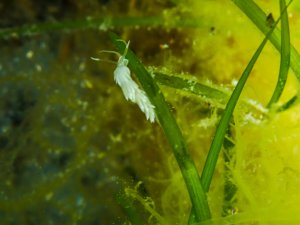
Understanding seagrass carbon sequestration potential is an important part of the climate jigsaw making collaboration between Project Seagrass and Southampton University RESOW project so powerful. The team were able to complete analysis which supports an important understanding of carbon stocks and flows in two key habitats of Scottish marine environment, namely islands and lochs. This will allow better understanding of how carbon is sequestered in the sedimentary material below seagrass meadows. The project has also served to build better connections amongst the seagrass community and so has promoted the exchange of further samples for analysis and new partnerships to develop the work into the future.
The project was driven from a grassroots level by partnering with ongoing seawilding initiatives, NGO’s and academics in Scotland. As such the project has yielded a wide array of benefits including upskilling and involving local communities in generating an evidence base to underpin management of this coastal resources.
In 2021 SMEEF was able to provide a grant of £98,231 to support this work using resources from the Nature Restoration Fund.